Pools, Hot Tubs, and Outdoor Living Spaces: What the Electrical Requirements Actually Look Like
Adding a pool, hot tub, or expanded outdoor living space to a home in mid-Missouri is a significant investment — and the electrical requirements that come with these additions are more involved than most homeowners anticipate. Understanding what's required before the project starts helps you budget accurately, avoid surprises during inspection, and ensure the finished installation is safe for everyone who uses it.
Why Pool and Hot Tub Electrical Work Is Heavily Regulated
Water and electricity are a dangerous combination. The National Electrical Code devotes an entire article (Article 680) specifically to swimming pools, hot tubs, spas, fountains, and similar water features — and the requirements in that article are more detailed and more restrictive than standard residential wiring requirements.
The reason is the unique hazard these environments create. A person in water is in continuous contact with a large conductive mass. If electrical current enters that water — from a leaking pump, improperly bonded equipment, or a damaged light fixture — the person in the water can receive a shock from voltage differences that would be harmless on dry land. Electric shock drowning (ESD) in residential pools and spas is a documented and preventable hazard, and the code requirements exist to prevent it.
Inground Pool Electrical Requirements
An inground pool installation involves several distinct electrical systems:
Pool pump and filtration motor. The pump motor requires a dedicated circuit sized to the motor's requirements, typically 240V for larger pumps. The circuit must include GFCI protection, and the disconnect for the motor must be positioned within sight of the motor but not less than five feet from the pool edge.
Pool lighting. Underwater pool lights must use fixtures specifically listed for underwater use, installed at the required depth, and protected by GFCI breakers. The wet-niche fixture housing must be properly bonded to the equipotential bonding system.
Equipotential bonding. This is the most misunderstood requirement in pool electrical work. Every metal component within five feet of the pool — the pool shell's steel rebar (if present), all metal fittings, pump motors, light housings, ladders, handrails, and diving board hardware — must be bonded together and to the electrical grounding system. Bonding eliminates voltage differences between metal components that create shock hazards. It's separate from grounding and is required regardless of whether the pool has any electrical equipment at all.
Outdoor receptacles. Any outdoor outlet within 20 feet of the pool edge must be GFCI protected. Receptacles within 6 to 10 feet of the pool have additional requirements. The positioning of outdoor electrical equipment relative to the pool matters.
Hot Tub and Spa Requirements
A hot tub or spa installation typically requires a dedicated 240V, 50-amp circuit (or occasionally 60-amp, depending on the unit's specifications). This requires running a new circuit from the main panel, which may involve significant wire runs depending on where the panel is and where the hot tub is located.
The disconnect for the hot tub must be positioned between 5 and 15 feet from the spa, within line of sight, and outdoors. A GFCI breaker is required at the panel. The bonding requirements for hot tubs are similar to pools — all metal components within 5 feet of the water, including the equipment pad and any metal within the hot tub structure, must be bonded.
For portable plug-in hot tubs (the 120V versions), a dedicated GFCI-protected 20-amp outdoor outlet is required. These units are not simply plugged into any available outdoor receptacle.
Outdoor Living Space Electrical: Beyond the Water Features
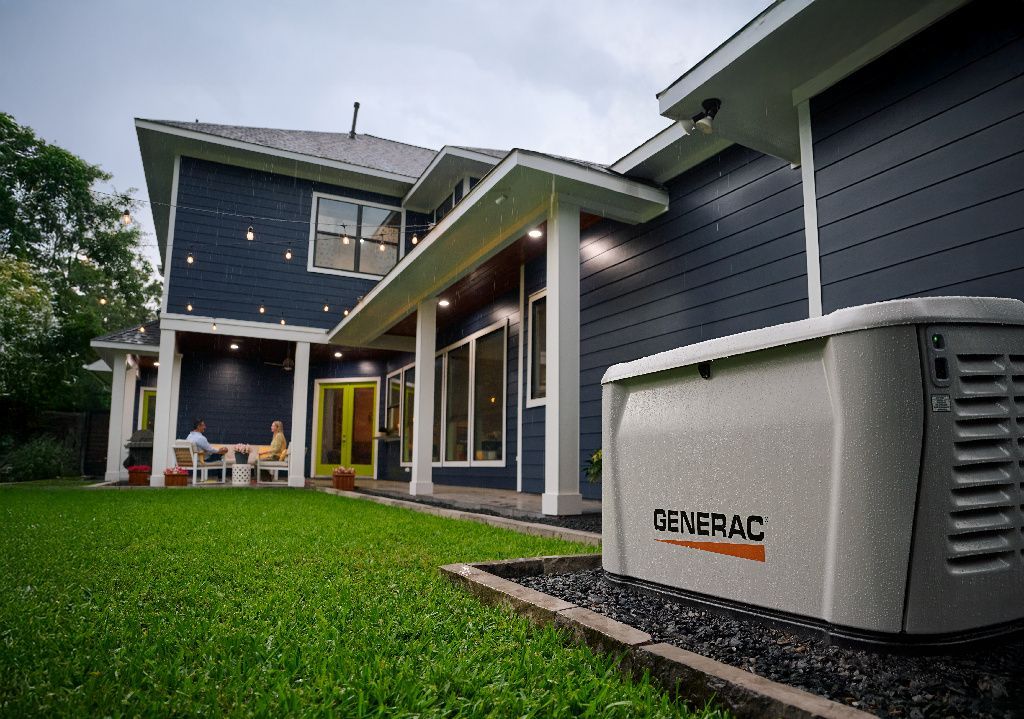
Modern outdoor living spaces have outgrown the two-outlet back patio. Outdoor kitchens, pergolas, covered patios with ceiling fans, outdoor entertainment systems, landscape lighting, and EV chargers in detached garages all require electrical planning that goes beyond what most homes were originally built to support.
Outdoor kitchen electrical involves dedicated circuits for refrigerators, ice makers, and cooking equipment. GFCI protection is required for all receptacles in wet or damp outdoor locations. The load from outdoor kitchen equipment may require a subpanel or panel upgrade depending on the home's existing electrical capacity.
Pergola and covered patio wiring for ceiling fans and lighting requires weatherproof fixtures and boxes rated for wet or damp locations, properly sized circuits, and consideration for how the wiring will be run — conduit on the structure surface, or concealed within the structural members.
Landscape and pathway lighting can be low-voltage (typically 12V systems that plug into a standard transformer) or line-voltage. Low-voltage systems are DIY-friendly and widely used for pathway and accent lighting. Line-voltage outdoor lighting requires licensed electrical work and proper weatherproof installation.
Planning Your Project With Electrical in Mind
The best time to think about outdoor electrical requirements is before the project starts, not after the pool contractor has poured concrete and the outdoor kitchen layout is set. Where the panel is relative to the new loads, whether the existing service is adequate, and how wiring will be routed all affect cost and complexity.
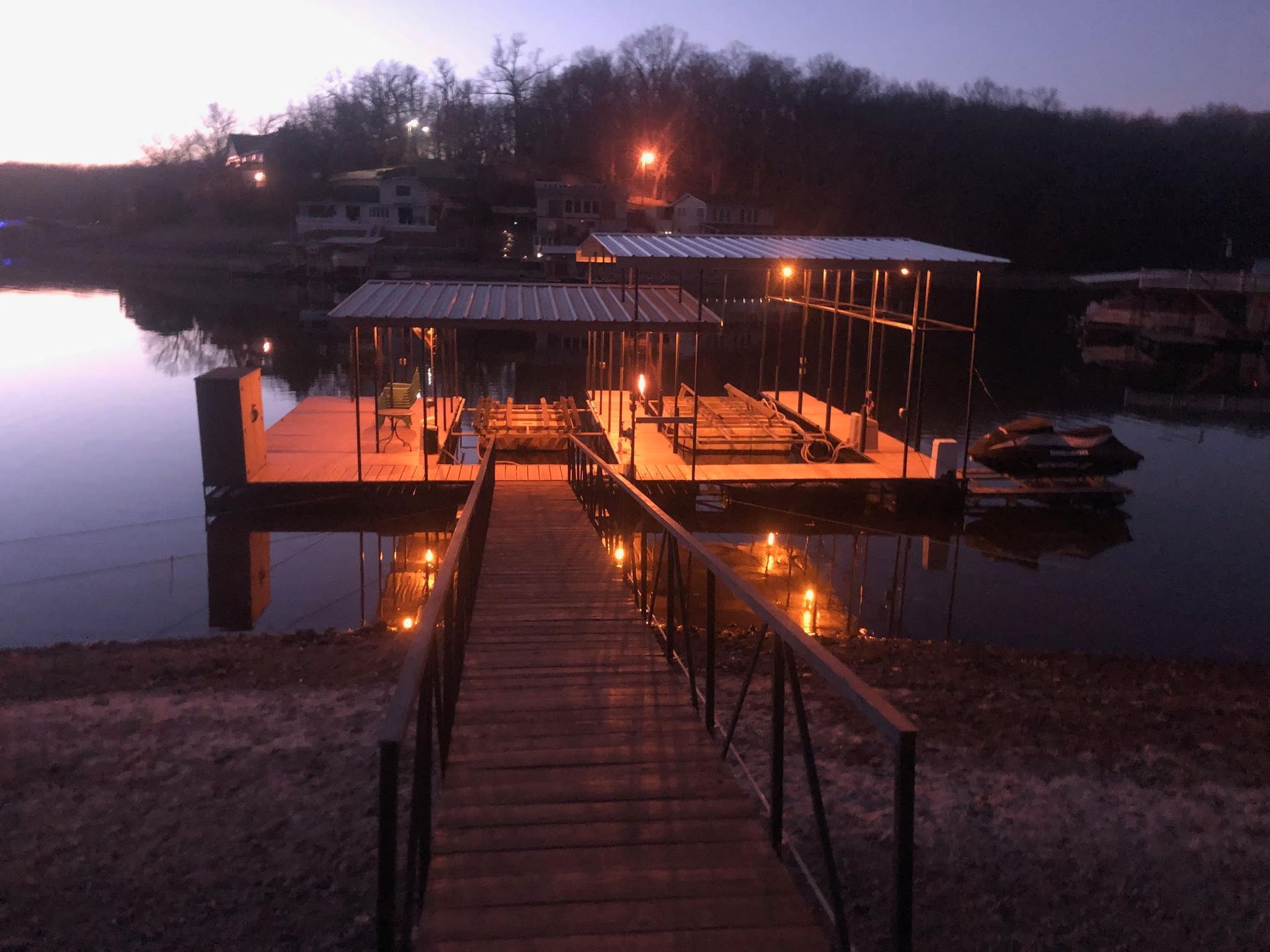
Gooch Electric works with homeowners throughout Jefferson City, Columbia, and Lake of the Ozarks on pool, hot tub, and outdoor living electrical installations. We coordinate with pool contractors and general contractors and handle the electrical scope from planning through inspection.
Call
573-893-2715 or visit
goochelectricllc.com/contact-us to discuss your project.